Thursday, August 28, 2014

Behind Writing Stats and Situations

I have been playing baseball for over 25 years, and I have experienced many great memories from the game. I would never forget the years playing with my Little League teammates. I still believe that my high school baseball team was probably the funniest team ever. The years at "the U" and going to the College World Series (twice) were awesome and rewarding. Calling and telling my mom that I made it to the major leagues was unimaginable. And even in playing independent baseball, I never had more fun being on a losing team than I did with the Newark Bears.
But through all the memories, good and bad, that I experienced from baseball, I came out a wiser man. Yes, I had some great coaches, but the game itself was my biggest teacher. It taught me humility, it gave me perspective, and it showed me how to handle success and adversity. I learned how to not allow my emotions to be too high or too low. It taught me how to interact with all types of people from many different backgrounds and how to handle the attitudes of the hundreds (if not thousands) of teammates that I have had.
As I compile all of my years of playing baseball and the many things that I learned, I realized that baseball offered more than just the cliché lessons of life - overcoming failure, striking out in life and teamwork. So, I decided that I would extract more life lessons from the game that everyone could learn from.
Why did I write Stats and Situations: The Game Plan to Success?
I wrote Stats because it is more than just a game. I tell people that if they show me a game of baseball, I will show them a lesson. And this is what I did with this book. I wanted to give people another way of looking at the game.
What is the premise behind the book?
Baseball is filled with many situations and statistical categories (hence the name). I decided that I would break down the real in-game scenarios and stats in a two-part book and show how they correlate to life, as well as, how we can use these lessons to better and be more successful in our lives.
Who is the book for?
You may think this book is just for the baseball fan but it is for you too. Yes, baseball fans will relate to this book, but Stats is enjoyable for baseball buffs as well as people not as familiar with the game. The half baseball/half life format in each chapter gives an in depth explanation of how the two complement each other.
Are there any personal anecdotes throughout the book?
Yes. Throughout the book, I introduce each chapter with personal stories of my experiences in the game and in life.
Why this book and this topic?
Sometimes baseball can get a bad rap for being too boring or slow, and I wanted to give people an opportunity to understand the game better and gain an appreciation for the game that has given me so many great memories.
Where can you purchase a copy?
You can purchase a copy at www.statsandsituations.com.
Brian D. Barton is a professional baseball player, author and speaker who teaches lessons of life through his experiences as an athlete. He also focuses on leadership, team building, team management for students and corporations. To book visit www.brianbartonaccess.com.

This weeks post is from guest blogger Brian D. Barton, who demonstrates a great way to expose your brand and your product in your own words. Brian does an excellent job of selling his book (Stats and Situations) without actually selling, but simply telling the reader about it.  First he acknowledges, why he is an expert in the sport of baseball (25 years playing baseball) and then he discusses the basis for the book (which is a synopsis of the life lessons he learned). All sports fans love to have a deeper insight into their favorite sport and  player.  Brian's book gives you a birds-eye-view of baseball and what he learned from the game.
The one thing Brian did not mention in this post that I garnered from the book is how much the novice baseball fan can learn from reading it.  I had a general idea of inter-workings of baseball, but Brian was able to creatively break it down even more. Stats and Situations goes one step further than most baseball books by showing us how baseball is similar to life experiences and it is through these analogies that he drives home the intricacies of baseball.  When I watch baseball games now, I recognize a lot of the things that Brian highlighted in his book.  After you read Stats and Situations you will have a clear understanding of baseball(if you didn't already) as well as how it relates to your life and your business.
We have to continue to find new ways to expose our brand - Kudos Brian!!
God Bless
A.Mayartis.J

Tuesday, August 12, 2014

Brand My Kindergartener???


You didn't get the job because your Twitter account showed some questionable post …

You lost your college scholarship because of the alcohol in the picture of you on facebook …

The interview didn't happen although you were qualified for the job….

Now, your sitting at home scratching your head and asking yourself…WHY?????
Why am I not getting the job, the scholarship the interview that should have been mine without question?   Although there could be several possible reasons hindering you from your desires, one reason that people don't consider is… YOUR PERSONAL BRAND.
Your brand or your perception of your brand can help or hurt you in attaining the things that you have been working really hard for.
QUESTION…
If your brand is the key to getting into the school, company, club or organization that you desire; when should you start to developing and managing your brand?
ANSWER…
The minute your parents put the first picture of you on FB, Twiter, Instagram or any social media sites.

 It goes without saying that your brand begins the day you are born, but unfortunately many of us do not start focusing on it until we are considering college or in search of a job.  By the time you reach college it is way too late begin brand development at this point you should managing and enhancing the brand you have in place.  Schools, companies and other organizations will not accept you or interview you until they do thorough research on you (Online and off line).  What does that mean?
To sum it up…they are looking at everything you did from the time you signed up for your first social media account and any problems or accolades that followed you throughout your physical life.

Long story short the earlier you begin to think about your brand and how it will effect your future the better off you will be in attaining your dreams.

God Bless.
A. Mayartis J.

Friday, June 27, 2014

How to become a Millionaire after the NBA

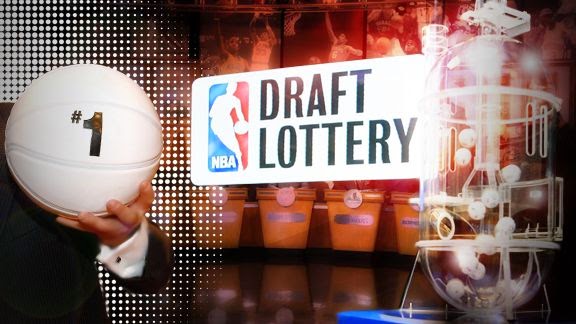
On this first night of the 2014 NBA draft as prospective players see their dreams of signing a multi-million dollar contract and acquiring a lucrative bonus come to fruition or slip away without warning, I want to tell you about an NBA player who made his millions outside of the league.  Can you guess who?  The first NBA superstar that probably comes to mind is Earvin “Magic” Johnson, because he built an empire after leaving the league, but it is NOT Magic.  Maybe you are considering Michael Jordan, who many call the best player who has ever played the game, but you would be wrong again.

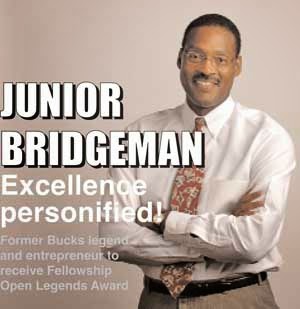
Junior Bridgeman (Ulysses Lee) is the player and incredible businessman, who joined the millionaire club at the conclusion of 12 seasons in the NBA.  Many of you may not of heard of Junior, but he played with the Milwaukee Bucks and the LA Clippers.  After getting his degree from University of Louisville, in 1975, Junior was drafted in the first round as the 8th overall pick to Lakers, but before he could suit up and play with the Lakers, they traded him to the Milwaukee Bucks for Kareem Abdul-Jabbar.  Over the span of his career (1975-1987) his highest salary was $350,000, which is a lot to many of us, but quite small in comparison to today’s massive salaries.

Sports illustrated reported that 60% of NBA players go broke within 5 years of retiring, but Junior not only beat those odds he exceeded them by becoming the second largest owner of the Wendy’s Franchise in America.  Junior loved the game of basketball, but he understood that his NBA career would not last forever and that he needed to prepare for his life after the sport. During the off-season while other players were enjoying breath-taking vacations, he purchased a Wendy’s franchise and worked there in order to learn the business from the ground up.  By the time he retired from the league he owned 3 Wendy’s locations and today he owns well over 280 restaurants (160 Wendy’s and 120 Chili’s).  Junior is worth over $400 Million today which is $380 million more than Kareem Abdul – Jabbar’s $20 million. 

Junior Bridgeman understood the premise of Parallel Career Metamorphosis that I discuss in detail in my debut book Brand Legacy, which is the process of using your personal brand to help you accomplish all of the goals you have in your life.  We all have other talents outside of the one that helped us begin our first career; we just need to create plans to make them come to fruition.

Junior believed in excelling at everything he was involved in hence his ability to do extremely well on the court, while he worked on the other goals in his life.   Junior has created a legacy not only financially, but also a history that should inspire other athletes to mirror.


As the NBA prospects sign multi-million dollar contracts over the next few weeks, I hope they work hard to excel on the court, consider ways to give back to the community because they should never leave it they way the found it and lastly begin consider the story of Junior Bridgeman  - start thinking about their other dreams and how they can begin accomplishing them by utilizing their brand.

Sunday, March 30, 2014

Athletes...Think before you tweet


Coaches, college admissions officers and employers all look at social media to get a glimpse into their candidates personal lives and if you are not careful with the content you post you could hurt your chances of getting a job, into a school or onto a team.  Conversely, a great social media profile could be the catalyst to help you get your fantasy job, into the school of your dreams or onto your favorite team. I attended the Atlanta Business Chronicle  - Business on Sports Summit, last week and Frank Wren  - GM of the Atlanta Braves stated that before he signed Ervin Santana, he checked out Santana’s social media profiles to see what he was posting and whom he was following.  As we all know the Atlanta Braves signed Santana, but it is a mere example, that talent is not the only thing that people are looking at any longer.  What is your social media saying about your brand? 

10 Twitter tips for student and professional athletes:


1.    Tweet with Intent –Before tweeting every athlete should ask himself or herself - Is this post going to help or hurt my brand?  If it will help then by all means share it with the world, if it is going to hurt your brand then delete it…immediately!!!   This includes sharing and retweeting.  If you share and/or retweet something it is considered your original content.  In 2011 Ryan Spadola was a wide receiver at Lehigh University and he retweeted an inappropriate racial reference, which earned him a short suspension. The tweet was erased, but once something is on the Internet it is there forever.  He faced a minor consequence, but not everyone is so lucky.
2.   Empower or Educate – Your tweets should be a source for your readers, whether it inspires them to be better or educates them on something you are passionate about in life. As an athlete you can provide supportive and positive atmosphere for fans, teammates and others following you.
3.   No Drunk Tweets – Often when people are upset they tweet their feelings about someone or something and there is nothing wrong with your tweets being genuine, but remember once something is on the internet you can delete it but it can always be found, so think twice before sending hurtful tweets.

4.   Update your fans – If people are buying into your brand they will want to know what you are doing on and off the field.  Give them a glimpse into your life, so they can feel like they know you. Such as game schedule information, your stats, teams you follow.

5.    Be Visual – Tweets with pictures are retweeted more often than tweets with out images.  Send a picture of yourself during your game, in your jersey or a flyer showcasing something that you are a part of in the community.

6.   Engage – Social media is a place to connect with people you know as well as people you do not know.  Use twitter as a platform to talk with your fans or as I like to call them brand ambassador.  Retweet a meaningful post,  - You can make some ones day by retweeting their message or just mentioning them.  A great tool is on Fridays using the hash tag #FF (Follow Friday) with a host of peoples twitter handles. This is an easy way to single out some of your key fans to make them feel special.

7.   Say Thanks – One way to begin the conversation is to thank new followers for following you and ask them something about themselves.  If their profile says they love football say… Thanks for following. I see you love football who is your favorite college or professional team? Hopefully, they will say your team increasing your bond.  Thanking your fans, family and teammates goes a long way to build your brand.

8.   No online drama – Do not air your dirty laundry on Twitter (or any social media site).  Pick up the phone and call the person you have an issue with, so you can resolve it with out putting unnecessary information on the social media sites. Only use Twitter to build your brand and engage with your followers.  Remember once something is written online even if it is deleted it was seen by someone  (captured by screen shots or saved by other means)

9.   Got a joke – Share your funny stories on Twitter.  Everyone loves to laugh and if it makes others laugh you may get whatever you said retweeted, which in-turn will help to expand your brand/ message.

10.  Be consistent – If you are going to start a Twitter page be ready to tweet on a regular basis. When you amass followers they look forward to seeing what you have to say and engaging with you on a regular basis… do not disappoint them by only tweeting when you have something important to say or if you want something from them.  


Prior to the advent of social medial it was difficult to speak or interact with your favorite athlete, but now they are just a tweet away.  The nation no longer relies on magazines and newspapers to see what athletes and other celebrities are saying, they follow their every move on Twitter and other sites.  That is why it is important that when our High School students are beginning to build their brand via social media they know how and when to use it
Has your school, team or organization hosted a social media branding seminar for your student-athletes and/or professional athletes? If you have we would love to hear what advice you shared and how it has impacted their use of social media. Please feel free to disclose your thoughts in the comments below.  If you have not hosted a seminar then you should definitely consider doing one to show your athletes how to represent themselves and the team.
God Bless
A. Mayartis J.